
Everyone’s heard someone say “just use recycled materials, it’s way cheaper.” And everyone’s also heard the opposite — that reclaimed stuff is actually more expensive because it’s trendy now and suppliers know people want it.
So which is it? Let’s actually go through this properly instead of talking in vague generalities.
The Honest Answer Is: It Depends What You’re Buying
Reclaimed timber, salvaged steel, second-hand roofing iron — prices on these vary wildly depending on supply, demand, and who you’re buying from. But recycled brick is one salvaged material where the cost story is pretty consistent, and pretty favourable.
New bricks from a manufacturer in 2026 are not cheap. When you factor in production costs, freight, and retailer margin, you’re paying for all of that in the per-brick price. Recycled bricks skip most of that supply chain. They come from demolitions, they go to a salvage supplier, they go to you. Fewer hands, less cost.
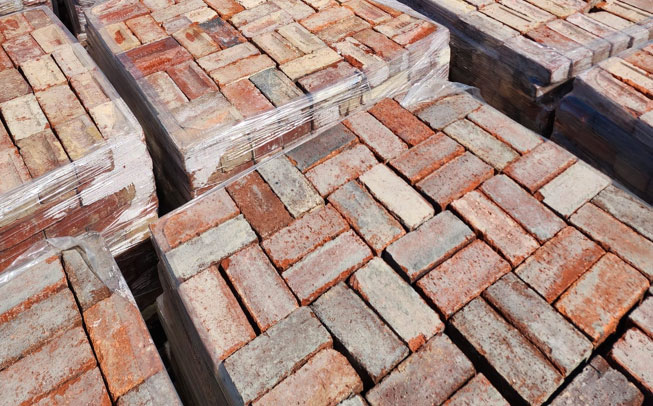
Recycled red bricks in Melbourne that homeowners are sourcing through suppliers like Bricks Victoria regularly come in at a lower per-unit cost than comparable new bricks — and in most cases they’re going into projects where their age and character is genuinely the point. Garden walls, outdoor entertaining areas, heritage-sympathetic additions to older homes. You’re not paying a premium for something inferior. You’re paying less for something with more visual interest.
That’s the part people still don’t fully believe until they see it side by side.
What the Real Numbers Look Like
Let’s put some rough shape around this because vague claims don’t actually help anyone plan a budget.
For a modest garden wall or outdoor feature project — say 15 square metres of brickwork — you might be looking at anywhere from 1,500 to 2,500 bricks depending on thickness and bond pattern. At current pricing, the difference between new bricks and quality recycled bricks on a job that size can easily be several hundred dollars. On a bigger project — a full retaining wall, a large outdoor entertaining area, a major renovation — that gap widens considerably.
Now add in the aesthetic value. If you’re building a feature wall with recycled red brick and it gives your home the kind of character that adds to resale appeal, you’ve effectively gotten a better financial outcome from the cheaper material. The calculation isn’t just what you spend — it’s what you spend versus what you get.
Where Salvaged Materials Genuinely Save You Money
Brick is the clearest win, but it’s not the only one. Here’s where Australian homeowners are making real savings through salvage:
Roofing materials — Second-hand terracotta tiles from demolished homes are a fraction of the cost of new equivalents and often match heritage properties far better than anything currently in production.
Timber — Old-growth hardwood from demolished structures has grain density and character that new plantation timber simply doesn’t. It’s also often harder and more durable. Salvaged hardwood decking, flooring, and framing timber all represent genuine value.
Steel and structural materials — Less glamorous but often dramatically cheaper than new. For garden bed frames, fencing, and basic structural elements, second-hand steel does exactly the same job.
Recycled Wirecut Clay Bricks Deserve a Specific Mention
If you’ve been looking at brick options and haven’t come across wirecut clay bricks, it’s worth understanding what they are. Wirecut bricks are made by extruding clay and cutting it with wire — the process creates a specific texture on the cut faces that’s different from a standard pressed brick. Slightly rougher, with a directional quality to the surface.
Recycled wirecut clay bricks have that texture plus the age and patina that comes from decades of exposure. The result is genuinely distinctive — they work particularly well in contemporary builds that want a raw, tactile material element without looking like a heritage pastiche. Bricks Victoria stocks these and they move quickly when available, which tells you something about how builders and designers are thinking about them right now.
The Hidden Costs People Forget to Account For
Being fair about this: salvaged materials aren’t without complications and pretending otherwise would be misleading.
Availability — You can’t always get exactly what you need exactly when you need it. Reclaimed materials depend on what demolitions have produced recently. This is why experienced renovators check what’s available first and plan around supply rather than waiting until they need materials urgently.
Sorting and preparation — Recycled bricks sometimes need old mortar cleaned off before laying. This is either a cost you pay someone else for or time you spend yourself. Factor it in.
Variation — The character that makes recycled brick appealing also means individual units vary. A good bricklayer works with this rather than against it, but it’s worth discussing with your tradie upfront.
None of these are reasons to avoid recycled materials. They’re just things to know going in so you’re not caught off guard.
The Bottom Line
For most Australian home renovation and landscaping projects, quality recycled brick comes in cheaper than new, looks better than new in heritage or character-focused applications, and has a sustainability argument behind it that’s real rather than marketing spin.
Sustainability Victoria has consistently highlighted building and demolition waste as a major challenge for the state. Choosing reclaimed materials is one of the few situations where the environmentally better choice and the financially better choice are the same choice. That doesn’t happen often enough in construction.
Bricks Victoria supplies recycled and reclaimed bricks across Victoria — including recycled red brick, wirecut clay brick, and a range of other salvaged stock sourced from local demolitions. Check what’s currently available at bricksvictoria.com.au before you finalise your material budget.