
Honestly, Melbourne backyards have changed more in the last two years than they did in the decade before that. And it’s not just rich suburbs doing expensive renovations — regular homeowners in Reservoir, Sunshine, Dandenong are all ripping up old concrete and actually thinking about what they want outside.
Here’s what’s actually happening out there right now.
1. Recycled Bricks Are Everywhere — And For Good Reason
Go look at any landscaping job being done in Melbourne’s inner north or inner west right now. Chances are, there’s a stack of old reclaimed bricks sitting somewhere on site. People have figured out that brand-new pavers from Bunnings look exactly like what they are — brand new pavers from Bunnings. They have that same flat, uniform look that somehow manages to make a backyard feel cheaper even when you spent decent money.
Old bricks are just different. Every single brick is slightly its own thing. Different age marks, different colour tones, edges that aren’t perfectly square. When you build a garden wall or a path with them, the whole thing looks like it grew there rather than got installed last Tuesday.
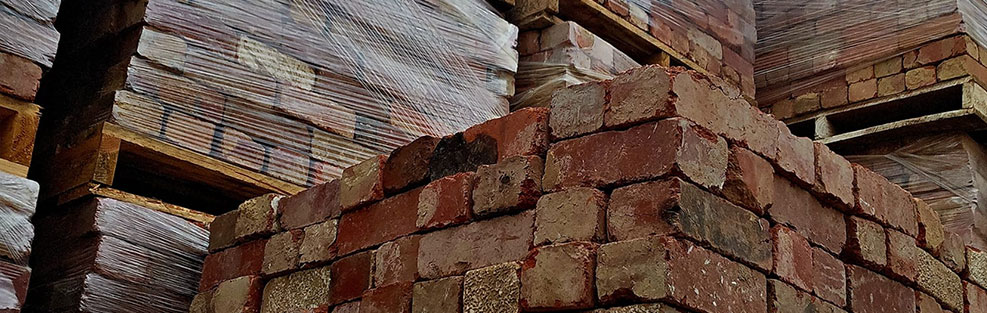
Bricks Victoria supplies refurbished bricks in Victoria that homeowners have been snapping up for this exact reason. They source their stock from actual demolitions across Victoria — old factories, houses, warehouses — so what you’re getting isn’t pretend aged material, it’s the real thing. And because you’re reusing something that already exists, you’re keeping it out of landfill. EPA Victoria has flagged construction and demolition waste as one of the bigger waste problems the state faces. Buying reclaimed is a small but real part of fixing that.
2. Wood-Fired Ovens and Outdoor Fire Features Done Properly
A few years back, “outdoor fire feature” meant a metal bowl from a hardware store that rusted after two winters. That era is over. What people are building now are proper masonry structures — pizza ovens, built-in fireplaces, wood-fired cooking setups that are designed to still be standing in 30 years.
And here’s where material choice actually matters: the inside of any wood-fired oven or built fireplace needs to be lined with refractory brick — bricks that can handle repeated, serious heat without cracking or breaking down. Second-hand fire bricks from a supplier like Bricks Victoria are genuinely the smart call here. They’ve already proven themselves through heat cycles, they cost less than new, and they perform exactly as needed.
The outdoor kitchen trend in Melbourne has gone from nice-to-have to something people are budgeting seriously for. ABS renovation data shows spending on outdoor home improvements in Victoria has stayed elevated since the pandemic years. People treated their homes as long-term investments and that mindset hasn’t shifted.
3. Native Planting Has Finally Won the Argument
For years, native gardens had a reputation for looking a bit neglected — all dry grasses and sparse shrubs. That reputation is dead. Landscape designers have gotten genuinely good at working with native and indigenous species in ways that look intentional and beautiful, not like the council just forgot to water something.
More importantly, Melbourne’s climate — hot dry summers, cold wet winters, randomly freezing in November — has always been hostile to the kinds of gardens people used to copy from English magazines. Plants that evolved here handle Melbourne weather because they have to. Melbourne Water has pushed water-sensitive design across the city for years now, and that thinking has finally reached suburban backyards. Native gardens need a fraction of the water, barely any fertiliser, and once established they largely look after themselves.
Pair native planting with reclaimed brick pathways and garden edging and something clicks visually. It looks like a Melbourne garden, not a transplanted somewhere-else garden.
4. Permeable Surfaces Are Being Taken Seriously
Nobody gets excited about drainage. But this is genuinely shaping how backyards get designed in 2026, especially with Melbourne Water and the Resilient Melbourne strategy both pushing hard on the issue of impermeable urban surfaces. When a backyard is wall-to-wall concrete, every drop of rain runs straight to the drain. The ground gets no water, plants suffer, and the stormwater system gets overwhelmed.
Open-jointed brick paving, gravel paths, and permeable laid surfaces are replacing fully sealed concrete in a lot of landscaping projects now. Recycled bricks used in permeable configurations do two jobs at once — they handle drainage properly and they look considerably better than the alternatives. It’s one of those decisions that ends up being practical and aesthetic at the same time, which is the best kind.
5. Small Backyards Being Used Much More Cleverly
Melbourne’s middle suburbs have been densifying for years. New townhouses have smaller outdoor areas. Knock-down-rebuilds on subdivided blocks leave tight backyards. But people’s expectations of what outdoor space should deliver haven’t shrunk with the block sizes.
The response has been to design more carefully. A low reclaimed brick wall that defines the dining area, doubles as a seat with a hardwood top, and retains a raised garden bed — that’s one element doing three things. A compact wood-fired oven that becomes the centrepiece of an outdoor entertaining zone rather than a gimmick in a corner. Every square metre doing actual work.
Bricks Victoria supplies reclaimed and recycled bricks across Victoria — stock sourced locally, which matters for both quality and availability. If you’re planning any outdoor work this year, start at bricksvictoria.com.au.